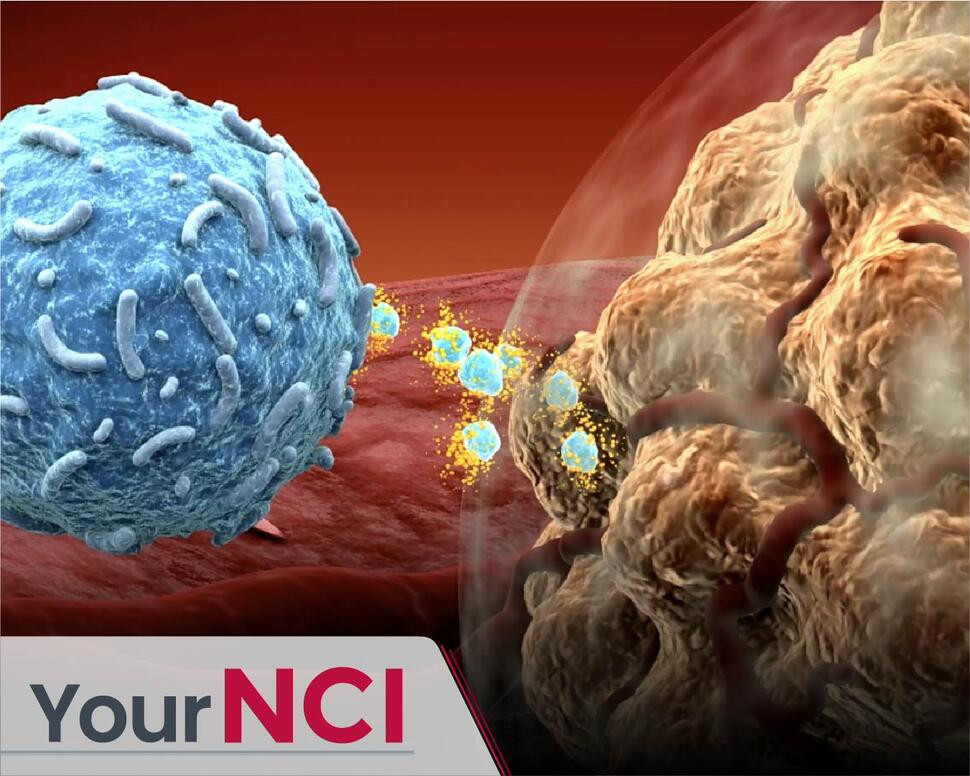
How Cancer Treatment Became Personal: From Chemotherapy to Precision Immunotherapy
How cancer treatment progressed from broadly toxic chemicals to therapies selected by tumour markers, engineered immune cells and patient-specific molecular information.
What "Personalized" Cancer Treatment Means
Personalized oncology does not usually mean inventing an entirely new drug for every patient. More often, clinicians test a tumour for a receptor, mutation, immune feature or other dependency, then select from treatments designed for that biological pattern. Some newer therapies go further by manufacturing immune cells or vaccines from information unique to one patient.
From Killing Dividing Cells to Matching Vulnerabilities
Early chemotherapy exploited a broad difference: many cancer cells divide rapidly. Targeted drugs narrowed the attack to proteins that drive particular tumours. Immunotherapy changed the strategy again by helping immune cells recognize cancer, while engineered cell therapies turned a patient's own cells into the treatment. These approaches accumulated rather than replacing one another.
Precision Is Not Certainty
A precise molecular match can improve the chance of benefit, but it does not guarantee a response. Tumours contain diverse cell populations, evolve under treatment and can escape through alternative pathways. The milestones below therefore include approvals, cures and durable responses alongside toxicity, resistance, manufacturing barriers and a major personalized-vaccine setback.
-
Clinical Milestone
A Wartime Chemical Becomes Systemic Cancer Treatment
Doctors used nitrogen mustard to produce temporary tumour regression in lymphoma, establishing that a drug carried through the body could treat cancer.
Surgery and radiation acted locally, but nitrogen mustard showed that chemicals could reach dispersed cancer cells. The responses were temporary and the drug damaged healthy dividing tissue, establishing both the promise and the central toxicity of chemotherapy.
Sources & references 1 source
-
Clinical Milestone
Antifolate Treatment Produces Leukemia Remissions in Children
Sidney Farber used aminopterin to induce temporary remissions in childhood acute leukemia, showing that cancer metabolism could be attacked deliberately.
The remissions did not last, but the study converted chemotherapy from an accidental observation into a strategy based on cell biology. It also made clear that a single drug would rarely suppress an evolving cancer indefinitely.
Sources & references 1 source
-
Clinical Milestone
Chemotherapy Cures a Metastatic Solid Tumour
Methotrexate produced durable cures in gestational choriocarcinoma, proving that systemic drugs could sometimes eradicate metastatic cancer.
This was a decisive change from temporary tumour shrinkage. The result did not mean all solid tumours were equally vulnerable, but it established cure as a realistic objective for selected cancers and encouraged combination regimens designed to prevent resistance.
Sources & references 1 source
-
Discovery
Monoclonal Antibodies Make Molecular Targeting Possible
A method for producing identical antibodies created a platform that could recognize one molecular target with far greater specificity than conventional chemotherapy.
The hybridoma technique did not immediately deliver a cancer drug. It provided the manufacturing foundation for antibodies that could bind proteins on tumour cells or alter immune signalling. Turning the platform into safe, durable medicines required another two decades of engineering.
Sources & references 1 source
-
Regulatory
The First Antibody Drug Targets a Cancer-Cell Marker
Rituximab was approved for certain B-cell lymphomas, turning the CD20 marker into a treatment target and opening the modern antibody era in oncology.
Unlike chemotherapy, rituximab selected cells carrying a defined surface protein and recruited biological mechanisms to eliminate them. Targeting improved selectivity but did not eliminate toxicity, and cancers could resist treatment by changing the target or surviving through other pathways.
Sources & references 1 source
-
Regulatory
Imatinib Turns a Cancer-Causing Protein Into a Drug Target
Imatinib blocked the abnormal BCR-ABL enzyme driving chronic myeloid leukemia and made molecularly targeted therapy clinically persuasive.
The drug matched a molecular abnormality to an inhibitor designed around its activity, transforming outcomes for many patients with chronic myeloid leukemia. Its success helped establish the model of testing a tumour for a dependency and selecting treatment accordingly, while later resistance showed that even precise targets can evolve.
Sources & references 1 source
-
Regulatory
A Patient's Immune Cells Become an Approved Cancer Vaccine
Sipuleucel-T became the first approved therapeutic cancer vaccine, using a patient's own immune cells to stimulate an attack on prostate cancer.
The treatment personalized manufacturing around each patient rather than creating one identical product for everyone. Its benefit was modest and limited to a defined setting, but it demonstrated that an individualized immune product could be manufactured, regulated and delivered as medicine.
Sources & references 1 source
-
Regulatory
Checkpoint Inhibition Releases the Immune System's Brakes
Ipilimumab showed that blocking an immune checkpoint could extend survival in advanced melanoma, shifting treatment toward reactivating immunity rather than attacking the tumour directly.
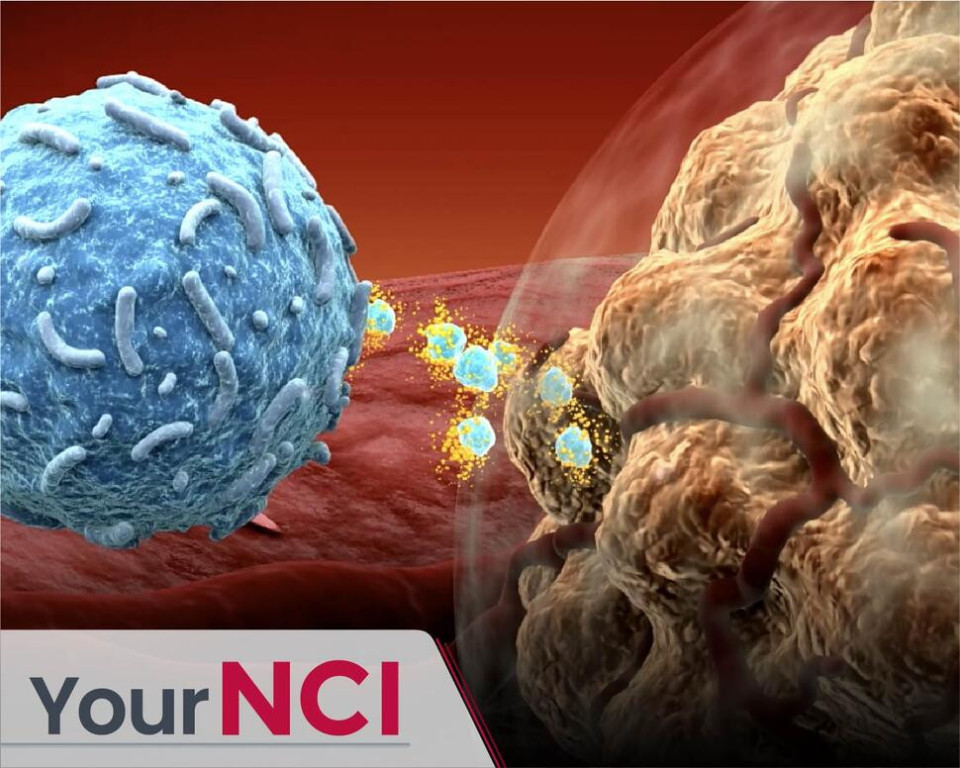
UCLA Jonsson Comprehensive Cancer Center Checkpoint inhibitors can produce durable responses because immune cells adapt and persist, but only a subset of patients benefits. Removing immune restraints can also cause serious inflammation in healthy organs, making biomarkers and careful management central to treatment.
Sources & references 1 source
Continue reading
-
Regulatory
CAR T Cells Turn a Patient's Immune System Into a Living Drug
The first CAR T-cell approvals genetically reprogrammed each patient's T cells to recognize a cancer marker, producing deep responses in some blood cancers.
CAR T therapy combined gene engineering, cell manufacturing and immunology in one individualized treatment. It could rescue some patients after other options failed, but severe immune reactions, neurological toxicity, cost and difficult manufacturing limited access, while most solid tumours remained resistant.
Sources & references 1 source
-
Regulatory
A Cancer Drug Is Approved by Biomarker, Not Organ
Pembrolizumab received the first tumour-agnostic approval, treating eligible cancers according to a shared molecular feature wherever they began.
Cancer classification had traditionally started with anatomy, such as lung, breast or colon. The approval made a molecular property sufficient to define treatment eligibility across different organs, a major step toward precision oncology. The biomarker still identified only a minority of tumours and did not guarantee response.
Sources & references 2 sources
Continue reading
-
Regulatory
Tumour-Infiltrating Lymphocytes Become an Approved Cell Therapy
The first approved tumour-infiltrating lymphocyte therapy expanded immune cells collected from a patient's tumour and returned them in far greater numbers.
TIL therapy used immune cells that had already found the tumour, avoiding the need to design one synthetic receptor for every target. Approval in advanced melanoma broadened personalized cell therapy beyond CAR T, but intensive conditioning, specialized centres and manufacturing time remained substantial barriers.
Sources & references 1 source
-
Regulatory
A Long-Resistant RAS Target Yields an Approved Pancreatic Cancer Drug
Daraxonrasib was approved for defined metastatic pancreatic cancers after extending median survival against chemotherapy, turning active RAS into a clinically actionable target.
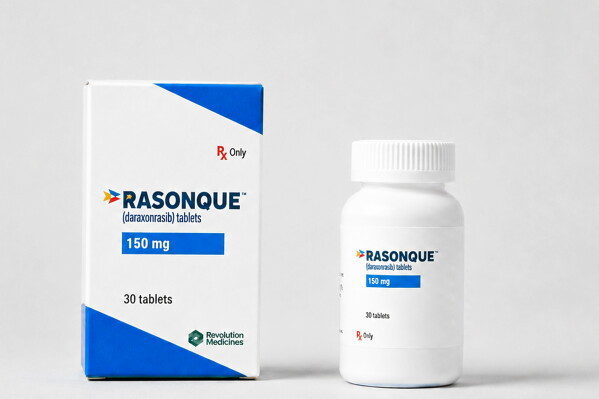
NewTqnia RAS proteins had been considered exceptionally difficult drug targets despite driving many cancers. The approval marked an important precision-therapy advance, not a cure: serious adverse reactions occurred, treatment was studied after earlier therapy, resistance remains possible and the price creates a major access test.
Sources & references 2 sources
Continue reading
-
Setback
Personalized mRNA Vaccines Show Both Promise and Failure
Personalized vaccines advanced in melanoma while a colorectal-cancer trial was terminated after futility and a survival imbalance, showing that customization does not guarantee benefit.
NewTqnia Sequencing can identify mutations unique to a patient's tumour and encode selected targets in an mRNA vaccine. The strategy is highly personalized, but tumour biology still determines whether immune cells can recognize, enter and control the cancer. Conflicting results across tumour types made this setback a necessary milestone rather than a footnote.
Sources & references 2 sources
Continue reading
What comes next?
Why Chemotherapy Has Not Disappeared
Chemotherapy remains curative in some cancers and useful across many others because it can attack diverse tumour cells without requiring one known molecular target. Precision treatments often work alongside surgery, radiation or chemotherapy rather than replacing them. The relevant question is which combination improves outcomes for a defined patient group.
Biomarkers Changed the Meaning of a Cancer Type
An anatomical label such as lung or colon cancer no longer tells the whole story. Molecular testing can divide tumours from the same organ into different diseases and, in some cases, connect cancers from different organs through one actionable feature. The 2017 tumour-agnostic approval made that conceptual shift part of routine regulation.
Living Medicines Create a Manufacturing Problem
Sipuleucel-T, CAR T cells, TIL therapy and personalized vaccines depend on collecting, processing or designing biological material for an individual patient. Their effectiveness cannot be separated from manufacturing speed, quality control, specialist centres, logistics and cost. A scientifically successful therapy can still reach very few people.
Resistance Is Evolution in Real Time
Treatment removes sensitive cells and creates room for resistant populations to expand. A tumour may lose a target, activate another pathway, exclude immune cells or suppress them. Combination therapy and repeated molecular testing attempt to stay ahead, but they also add toxicity, complexity and expense.
What Comes Next?
The next phase of personalized oncology will combine tumour sequencing, blood-based monitoring, functional testing and immune profiling to decide not only what target exists, but whether attacking it is likely to help. The standard must remain clinical: longer survival, better quality of life or less harmful treatment, demonstrated in the patients for whom the strategy is intended.