The Invention and Global Spread of Paper
From Cai Lun's refinement of papermaking in Han China around 105 CE to Friedrich Gottlob Keller's invention of wood-pulp paper in 1844, this timeline follows how paper spread from China through the Islamic world to Europe, evolving from a hand-made luxury into a raw material for mass production.
Paper is one of humanity's most consequential inventions: a cheap, lightweight surface for writing that reshaped how knowledge was recorded, stored, and shared. Egypt's papyrus came centuries earlier and shaped writing across the ancient Mediterranean, but scholars distinguish it from true paper, which was first made in Han China. This timeline traces paper's journey from a Han dynasty court in China to the wood pulp mills of nineteenth century Europe, including the period when paper and papyrus were used side by side in Egypt.
-
Milestone
Cai Lun Standardizes Papermaking, on Top of an Older Craft
A court official presented the emperor with a refined, repeatable process using bark, hemp waste, rags, and old fishing nets, turning an existing craft into a standard, reportable method, though an even earlier archaeological fragment predates his report.
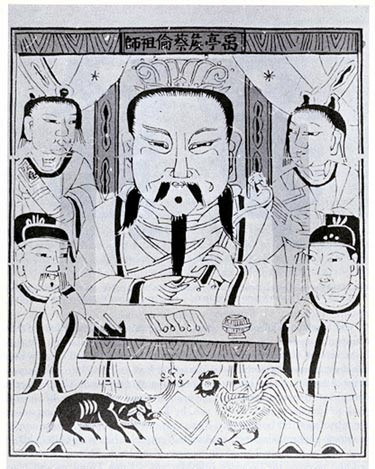
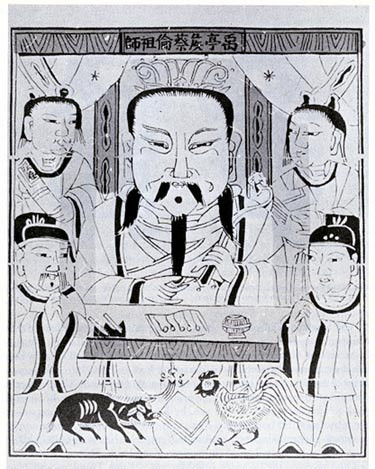
Cai Lun, a eunuch official at the Han court, presented Emperor He with a papermaking method around 105 CE: soaking and pounding tree bark, hemp waste, old rags, and fishing nets into a pulp, then drying thin, even sheets on bamboo screens. Archaeologists have since found earlier evidence: in 1986, a paper fragment excavated at Fangmatan, in Gansu province, was dated to roughly 179-141 BCE, more than two centuries before Cai Lun's report. The material was cheaper than silk, lighter than bamboo strips, and more consistent than earlier attempts, and the emperor praised it. Cai Lun is traditionally credited as paper's inventor, though the Fangmatan fragment shows he refined and standardized an existing craft rather than creating an entirely new one from scratch.
Sources & references 1 source
-
Milestone
Papermaking Reaches the Islamic World, Legend and Evidence Diverge
After the Battle of Talas, Samarkand became a papermaking center. The popular story credits captured Chinese prisoners, but archaeological evidence shows paper was already known there beforehand.
After the Abbasid Caliphate defeated Tang forces at the Battle of Talas in 751 CE, papermaking took hold in Samarkand. The popular story credits Chinese prisoners of war, but historian Jonathan Bloom calls it unlikely to be factual, since archaeological finds show paper was already in use there decades before the battle.
-
Milestone
Baghdad's Paper Mills Fuel an Explosion of Scholarship
Cheap, abundant paper let Abbasid Baghdad build libraries and translation centers at a scale parchment and papyrus never allowed.
By the end of the 8th century, paper mills were operating in Baghdad, the Abbasid capital. Unlike parchment or papyrus, paper could be produced locally wherever water was available, making it dramatically cheaper. Baghdad's paper supply underpinned the translation movement and libraries later idealized as the House of Wisdom.
Sources & references 1 source
-
Milestone
Paper Mills Reach Egypt and Begin Replacing Papyrus
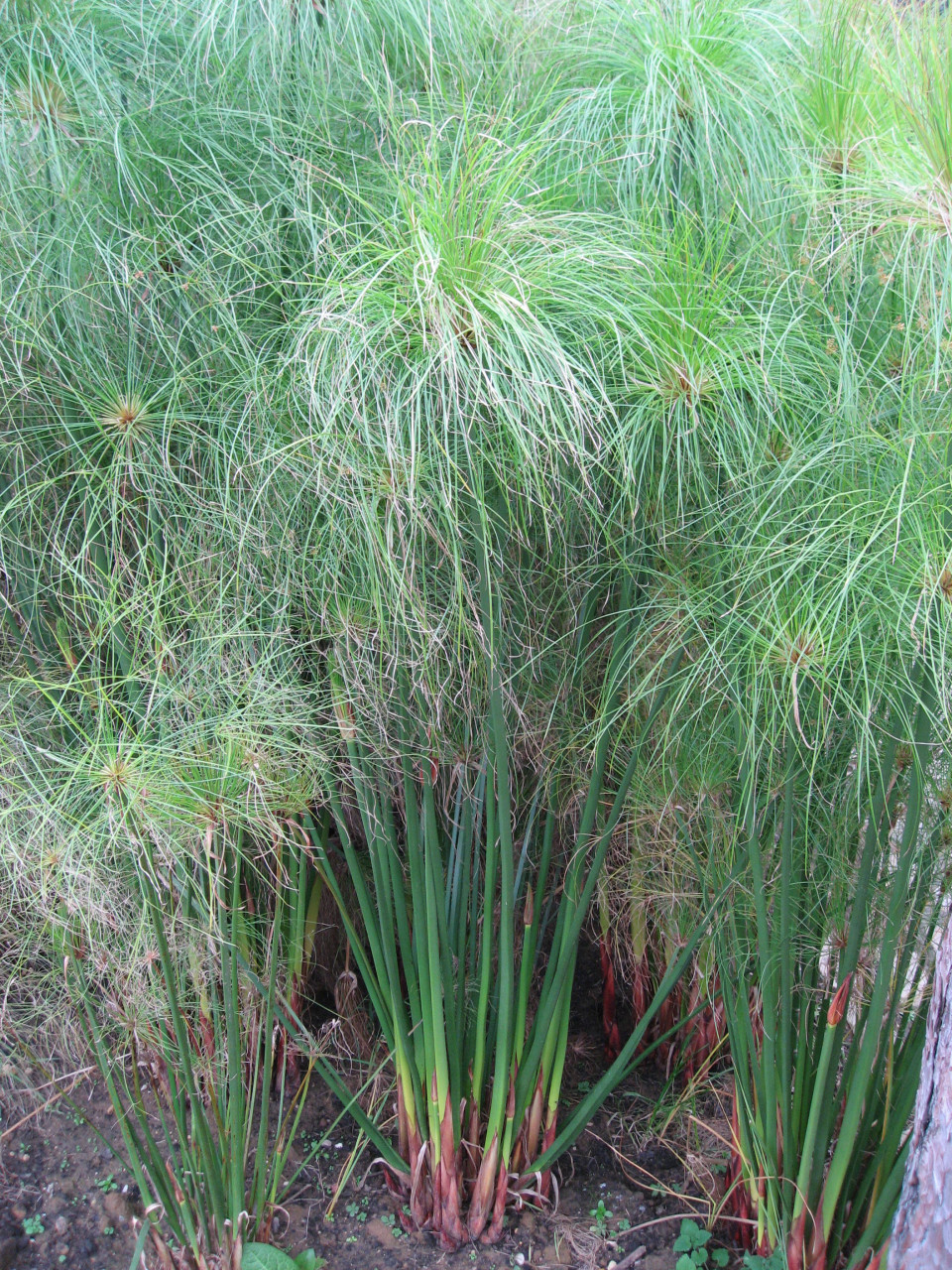
A paper mill established at Fustat, near Cairo, around 850 CE marks paper's arrival in Egypt, the homeland of papyrus. The two materials coexisted for roughly a century and a half before paper displaced papyrus by the eleventh century.
Sources & references 1 source
-
Milestone
Europe's First Paper Mill Opens in Islamic Spain
A mill at Xàtiva, in Islamic Iberia, became the earliest recorded papermaking site in Europe, though the exact founding date is debated among historians.
The first recorded paper mill on the Iberian Peninsula operated at Xàtiva, near Valencia, using the Albaida River for water power and local flax fields for fiber. Historians place its founding anywhere from 1056 to the mid-12th century; the 12th-century geographer al-Idrisi wrote that Xàtiva's paper was unmatched anywhere in the civilized world and was exported east and west. Papermaking in Europe stayed concentrated in Islamic Iberia for roughly two centuries before spreading into Christian territory.
Sources & references 1 source
-
Milestone
Fabriano's Mills Give Paper Its First Trademarks
Italian papermakers introduced stamping hammers, animal-glue sizing, and, within a few years, watermarks, letting mills brand and date their paper for the first time.
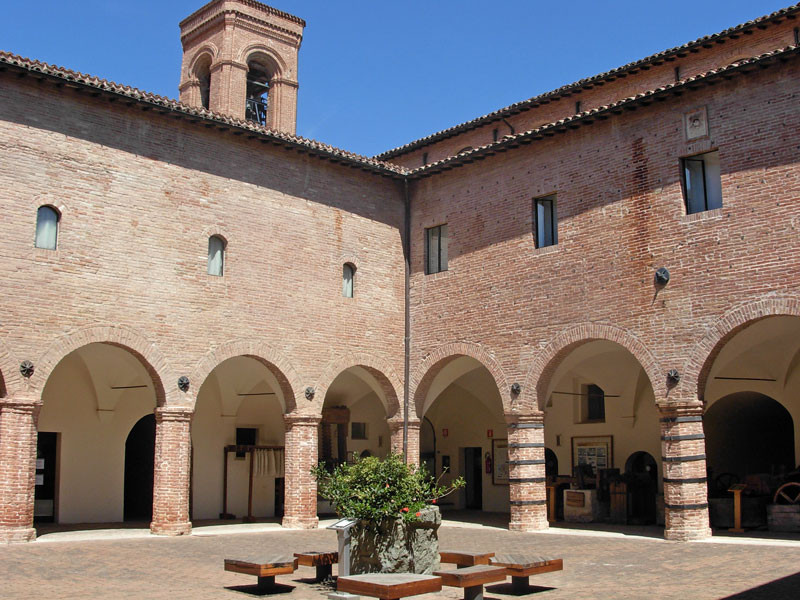
Paper mills established at Fabriano, in central Italy, around 1276 introduced two lasting improvements over the Islamic-world process they inherited: mechanical stamping hammers, powered by waterwheels, that pulped rags faster and more finely than hand-beating, and sizing with animal glue, which let ink sit on the surface rather than bleed through. Within about six years, Fabriano's makers began pressing wire designs into the pulp mold, creating watermarks.
Sources & references 1 source
-
Milestone
A Clerk's Machine Ends Papermaking by Hand
Nicolas-Louis Robert patented a machine that formed paper as a continuous roll on moving wire cloth, replacing single sheets made one at a time by hand.
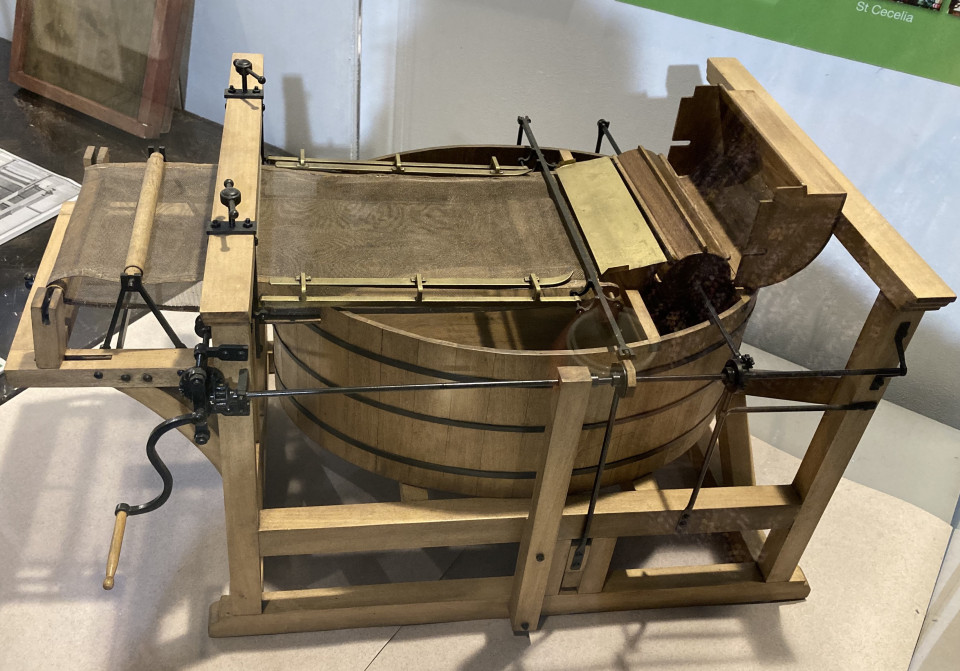
Nicolas-Louis Robert, a clerk tired of managing quarreling workers at a French paper mill, patented a machine in January 1799 that formed paper as an unbroken sheet on a moving belt of wire cloth, rather than one page at a time dipped by hand from a vat. Robert lost control of his own patent in a financial dispute, and English financiers, the Fourdrinier brothers, funded its refinement into what's still called the Fourdrinier machine today.
Sources & references 1 source
-
Milestone
Ground Wood Replaces Rags, and Paper Becomes Cheap
Friedrich Gottlob Keller's wood-grinding machine, developed alongside Charles Fenerty's independent work in Canada, freed papermaking from its centuries-old dependence on rags and old cloth.
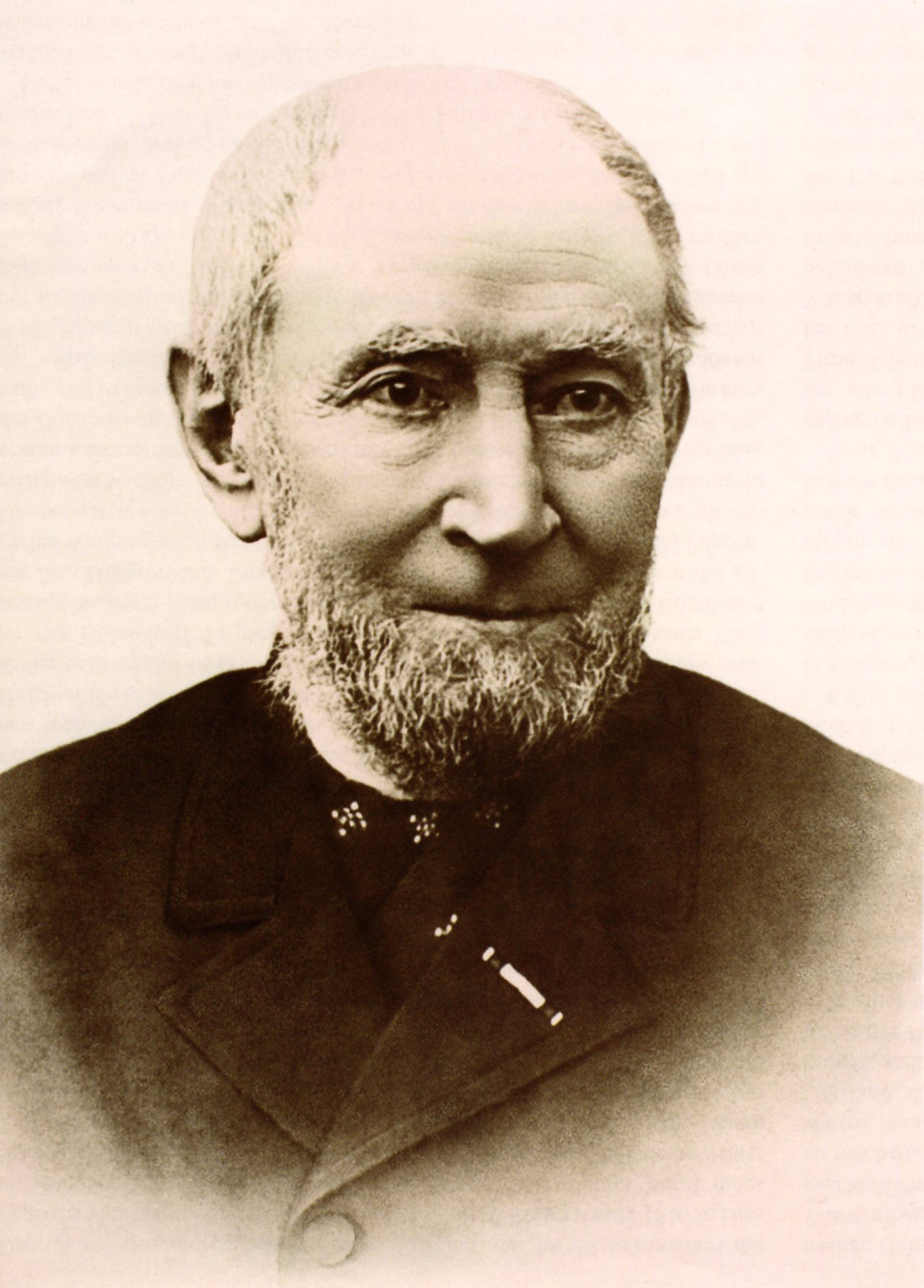
For nearly 1,700 years, paper needed rags, old rope, or worn-out fishing nets as raw material, a supply that couldn't keep pace with a growing population. In 1844, Saxon inventor Friedrich Gottlob Keller completed a machine that ground wood into a pulp fine enough for papermaking. Canadian inventor Charles Fenerty developed a similar process independently around the same time. Keller sold his invention for roughly £80, but wood-pulp paper could be produced at industrial scale, driving down the price of paper enough to make cheap newspapers and mass-market books possible.
What comes next?
By the mid-19th century, paper had gone from a closely guarded Chinese secret to a wood-based industrial commodity, setting the stage for the mass literacy, newspapers, and printed culture of the modern era.