Timeline milestone
Ground Wood Replaces Rags, and Paper Becomes Cheap
-
Milestone
Ground Wood Replaces Rags, and Paper Becomes Cheap
Friedrich Gottlob Keller's wood-grinding machine, developed alongside Charles Fenerty's independent work in Canada, freed papermaking from its centuries-old dependence on rags and old cloth.
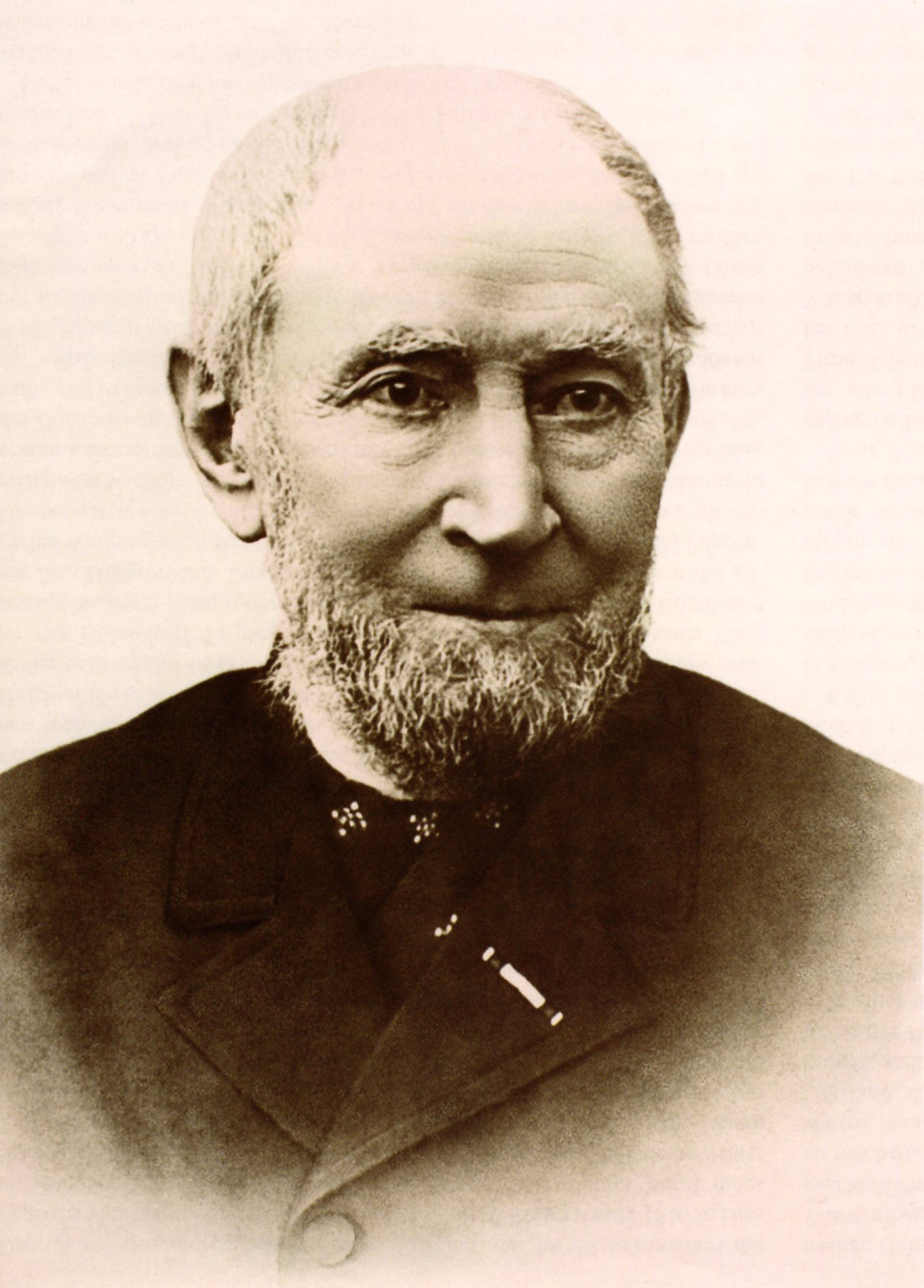
For nearly 1,700 years, paper needed rags, old rope, or worn-out fishing nets as raw material, a supply that couldn't keep pace with a growing population. In 1844, Saxon inventor Friedrich Gottlob Keller completed a machine that ground wood into a pulp fine enough for papermaking. Canadian inventor Charles Fenerty developed a similar process independently around the same time. Keller sold his invention for roughly £80, but wood-pulp paper could be produced at industrial scale, driving down the price of paper enough to make cheap newspapers and mass-market books possible.