The Long Road to Humanoid Robots: From Walking Machines to AI Workers
From integrated walking machines to AI-guided industrial pilots, and the hard gap between demonstrations and useful work.
Human-shaped robots can use spaces and tools designed for people, but balance, hands, perception, energy and safe decisions must work together. This timeline selects changes in locomotion, manipulation and commercial intent.
-
Research
WABOT-1 integrates walking, vision and communication
Waseda's machine framed the humanoid as an integrated system rather than one mechanical trick.
Waseda University researchers built WABOT-1 to combine several abilities in one machine: walking on two legs, seeing with a rudimentary vision system, gripping simple objects, and communicating in basic spoken Japanese. It wasn't practical or fast. But it reframed the humanoid robot as a system that had to coordinate multiple senses and actions together, not a single mechanical trick like an isolated walking leg or a robotic arm.
Sources & references 1 source
-
Research
Honda's P2 walks without a tether
Internal batteries, computation and actuators made an untethered stair-climbing platform possible.
Honda packed batteries, computers, and actuators inside P2's own body, letting it walk and climb stairs without a tethered power or control cable. It wasn't autonomous in how it made decisions by today's standard, but cutting the cord proved a humanoid could carry its own power and processing rather than depending on an external umbilical.
Sources & references 1 source
-
Product Launch
ASIMO makes dynamic walking visible worldwide
The compact robot navigated human environments but still performed carefully structured tasks.
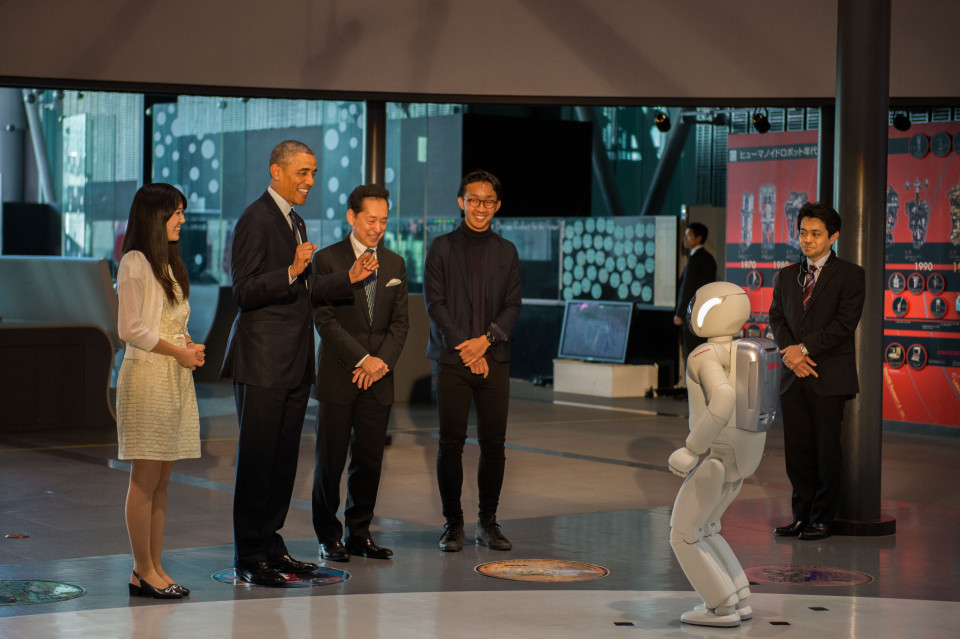
William Ng / U.S. Department of State Honda introduced a smaller, more refined ASIMO, with better balance and motion prediction while walking. It became the public face of humanoid robots for over a decade, touring stages worldwide. But every smooth demo depended on a carefully prepared environment and a scripted task, not on the robot adapting to whatever it happened to encounter.
Sources & references 1 source
-
Research
Atlas enters disaster-response research
DARPA used Atlas to test mobility and tools in dangerous environments, revealing both progress and frequent failure.
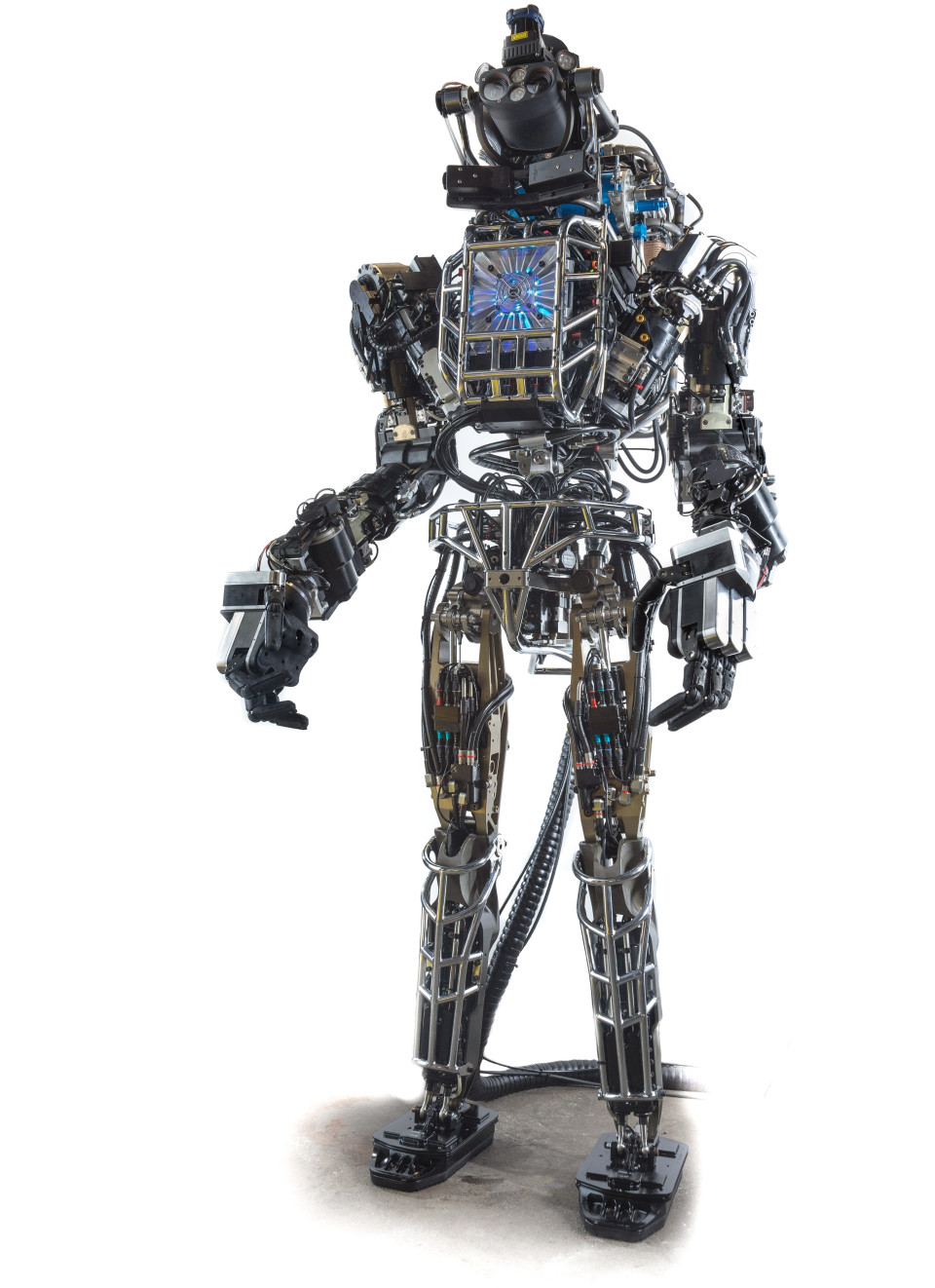
DARPA Boston Dynamics entered Atlas in DARPA's Robotics Challenge, which tested tasks like opening doors, using tools, and moving through rubble, the kind of settings too dangerous to send people into. The competition showed real progress. It also produced a lot of falls, and made clear that tasks trivial for a human, like turning a valve or climbing out of a car, could be extremely hard for a robot.
Sources & references 1 source
-
Concept
Tesla proposes Optimus for repetitive work
The announcement widened commercial interest but was a roadmap, not evidence of a finished autonomous product.
Tesla announced it wanted to carry its computer-vision and manufacturing expertise over from cars into a general-purpose humanoid robot, built to take on repetitive or dangerous work. The announcement widened commercial interest in the whole category. What it showed on stage, though, was a person in a robot costume, not a working prototype, a roadmap rather than evidence.
Sources & references 1 source
-
Industry
Figure joins the general-purpose humanoid race
A venture-backed company targeted labour shortages and unsafe work, marking a shift toward industrial competition.
Figure launched with a plan to build general-purpose humanoid robots for jobs facing labor shortages or safety risks. Fast funding rounds and early industrial partnerships signaled that investors and manufacturers saw a plausible commercial opening. But a successful short demo is a long way from proving a robot is economically worth running every single day.
Sources & references 1 source
-
Industry
Electric Atlas replaces the hydraulic platform
Boston Dynamics introduced an electric design aimed at commercial work; reliable manipulation and safety remain unproven at scale.
Boston Dynamics retired the hydraulic Atlas that had defined a decade of disaster-response research, and introduced an all-electric successor aimed at commercial and industrial work. Electric actuators give the robot more freedom in joint design and could simplify maintenance. But the promotional footage of it moving didn't prove it can manipulate objects reliably or work safely around people at any real scale, that's still being tested.
Sources & references 1 source
Continue reading
-
Industry
Figure 02 completes an 11-month factory deployment at BMW
A humanoid robot ran real assembly-line shifts at BMW's Spartanburg plant, loading sheet-metal parts for more than 30,000 vehicles before returning to Figure for retirement.
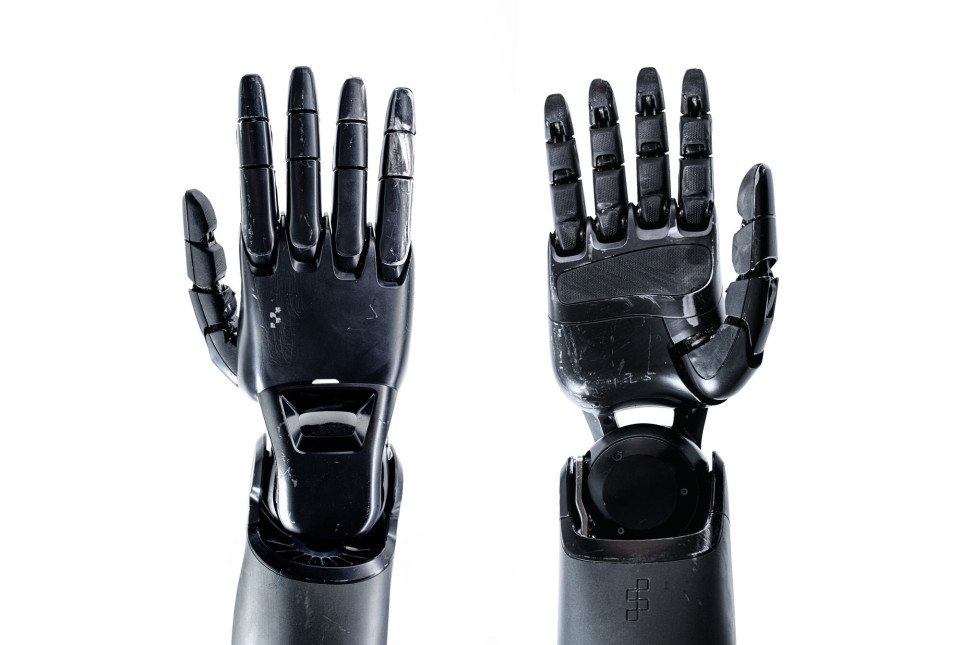
Figure AI Figure delivered its second-generation robot to BMW's Spartanburg plant, then spent months testing before running it on an active welding line every working day for the next ten months. Figure 02 picked up sheet-metal parts and placed them within a 5-millimeter tolerance in under two seconds, a task demanding enough that BMW measured it against strict cycle-time and accuracy targets. The deployment ended not because the robot failed, but because its successor, Figure 03, was ready to take over.
-
Research
Teleoperated humanoid robots complete a live surgery for the first time
UC San Diego engineers and surgeons used two humanoid robots, nicknamed Surgie, to perform gallbladder-removal surgeries on large mammals, one with a human assistant and one fully robot-to-robot.
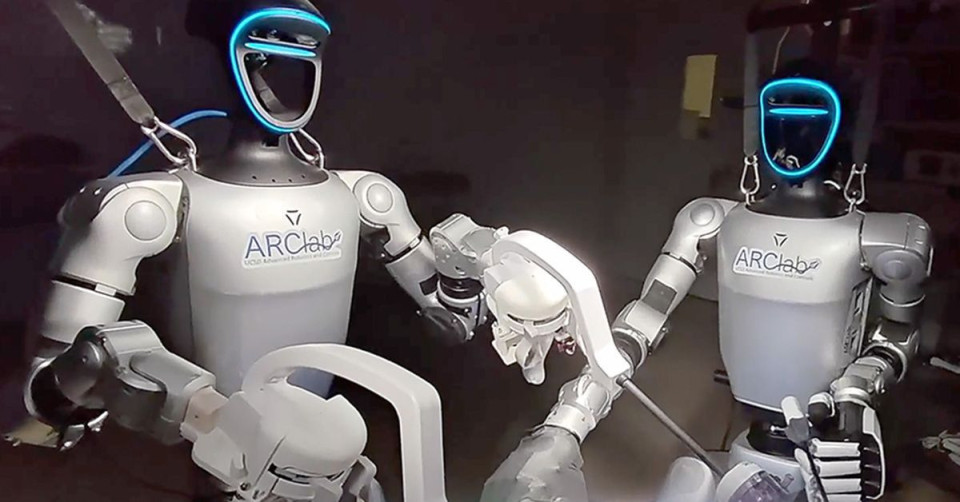
University of California San Diego UC San Diego engineers and surgeons tested two humanoid robots, nicknamed Surgie, inside an operating room built for people rather than a specialized surgical rig. In one procedure, a robot worked alongside a human surgeon to remove a gallbladder. In a second, two robots operated together with no human in the loop. The robots needed several mid-surgery recalibrations, so both procedures took longer than they would have on dedicated surgical systems, but researchers say the precision matched existing robotic surgery platforms at a fraction of the cost and footprint.
What comes next?
Agility and natural-language control have improved, but demonstrations do not prove productivity over long shifts. Battery life, falls, hand reliability, maintenance and supervision remain bottlenecks.