Timeline milestone
Yoshino removes metallic lithium from the practical cell
From The Battery That Electrified Everything: From Lithium Chemistry to Electric Cars
-
Invention
Yoshino removes metallic lithium from the practical cell
Akira Yoshino paired a carbon-based anode with a lithium-containing cathode, allowing ions to shuttle between two host materials and making a durable, safer rechargeable cell practical.
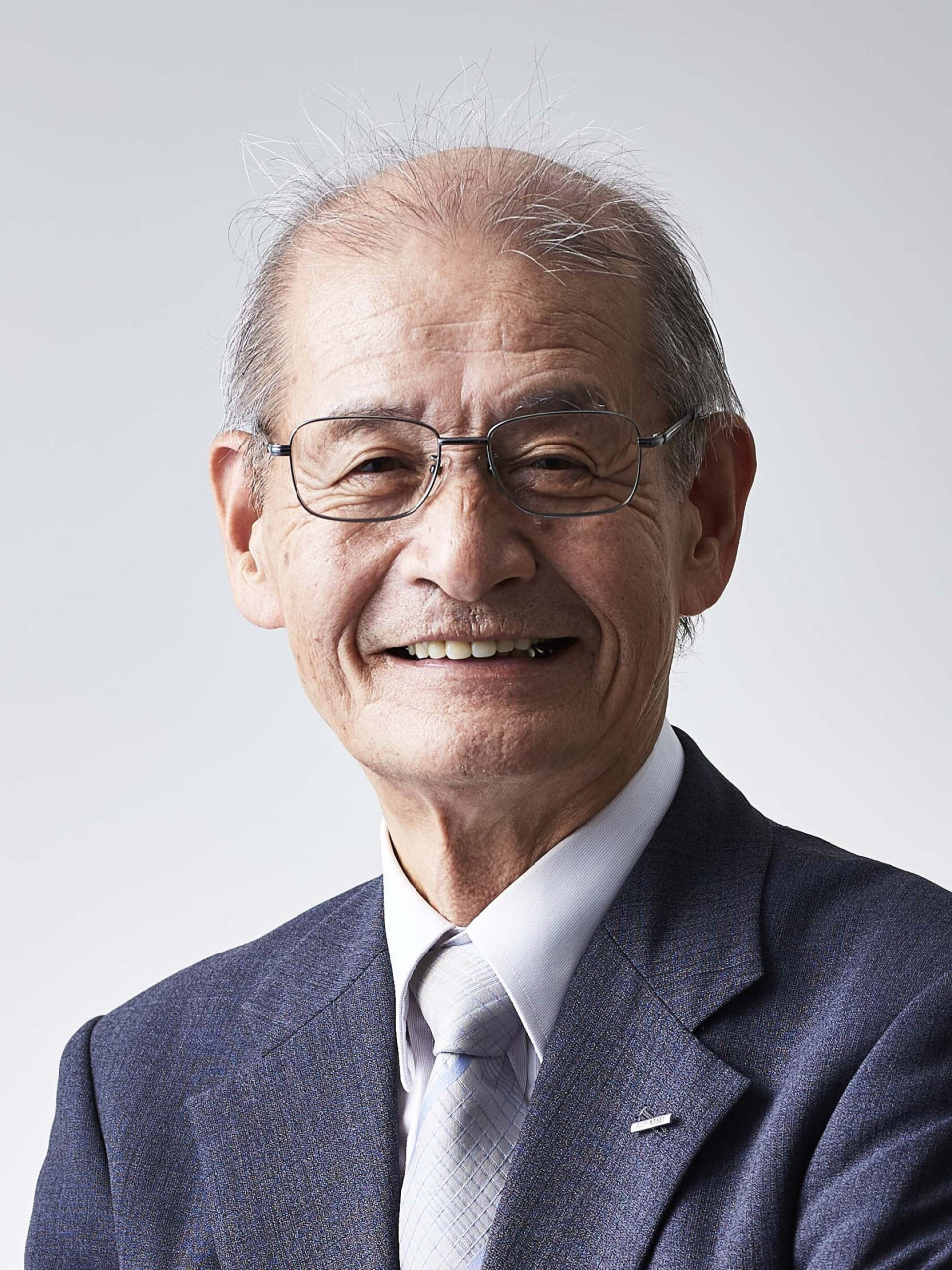
Government of Japan, Minister's Secretariat Personnel Division Akira Yoshino developed a cell in which lithium ions moved between a lithium cobalt oxide cathode and a carbon-based anode. Because both electrodes stored ions within their structures, the finished cell contained no free metallic lithium during normal operation. That sharply reduced the dendrite and fire problem that had limited earlier designs. Yoshino also demonstrated that the cell could survive repeated charging, remain stable when discharged and be manufactured in a practical format. The design completed the essential architecture of the modern lithium-ion battery: lithium ions shuttle through the electrolyte, while electrons travel through the external circuit to power a device. Safety still depends on separators, electronics and thermal control; the chemistry alone does not eliminate fire risk.
Sources & references 1 source